
Posts
4460Following
738Followers
1658
 repeated


 0
7
0
7
 0
0
buherator
buherator#consolidation
RE: https://mastodon.cloud/@slashdot/117168550975017498
1
1
0
repeated

 repeated

Jason Lefkowitz
jalefkowit@hachyderm.ioIf Hollywood had any nerve there would be three different movies about a scruffy blue-collar hero who's down on his luck but finds meaning and new love cutting down Flock cameras shooting right now
https://www.theverge.com/tech/985155/flock-camera-destruction-vigilantes
 2
5
0
2
5
0
 repeated

Ivan Ožić Bebek
obivan@infosec.exchangeNext.js Windows RCE PoC https://github.com/rafabd1/CVE-2026-75604-poc
0
3
0
repeated


wat
https://spring.io/security/cve-2026-59270
Spring Security's embedded UnboundID LDAP server (
UnboundIdContainer) unconditionally registers an administrative credential and binds its listener to all available network interfaces.An attacker who could reach the LDAP listener port could authenticate using the well-known administrative bind DN, and then read or modify entries in the in-memory directory.
1
2
0
repeated

Ryan Castellucci (they/them) 
ryanc@infosec.exchange
Partner: Open this for me?
Me: What are the magic words?
Partner: Please?
Me: ...
Partner: ...
Me: Squeamish...
Partner: ...
Me: Ossifrage.
Partner: looks up "Squeamish Ossifrage"
Partner: NERD!
2
4
1
buherator
buheratorI need a feature from 7.2.
I downloaded a Windows image literally yesterday.
The feature is not there.
1
1
0
buherator
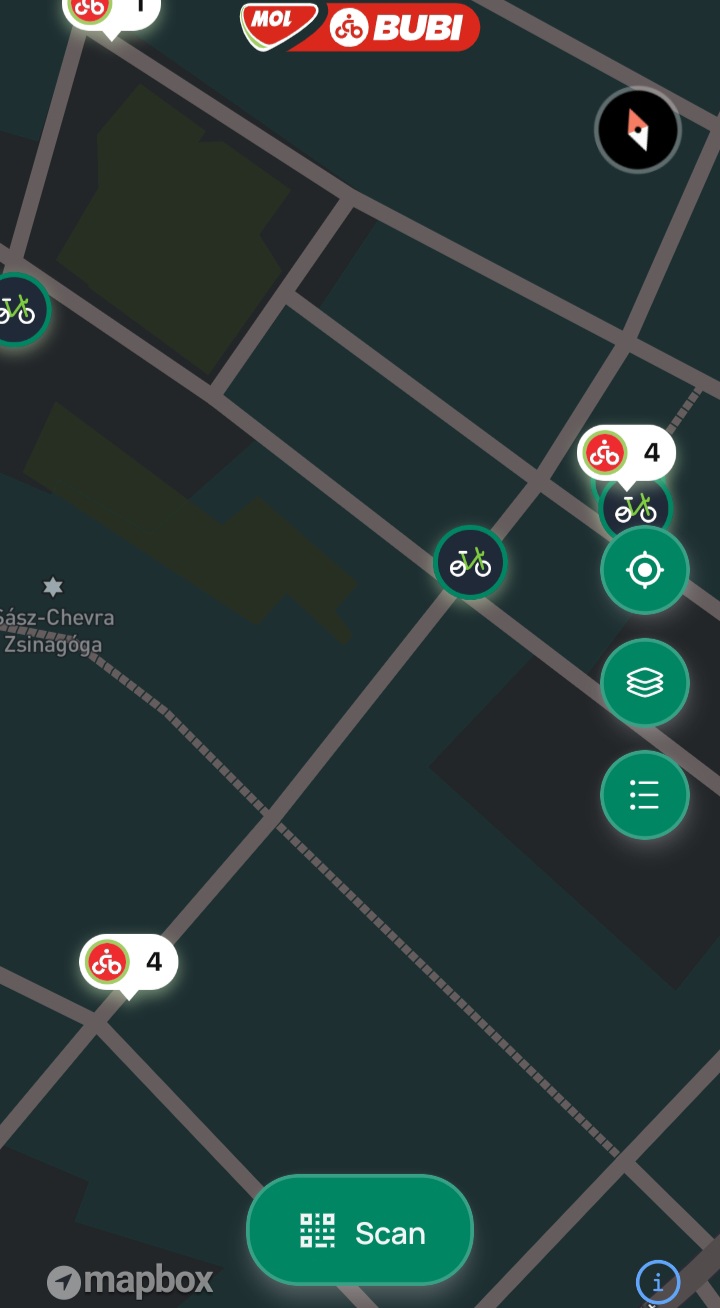
buherator#geoinformatics #cartography #bubi
 0
0
0
repeated
0
0
0
repeated

buherator
buheratorhttps://v12.sh/blog/signal
0
5
2
buherator
buherator
1
0
0
repeated

Trammell Hudson
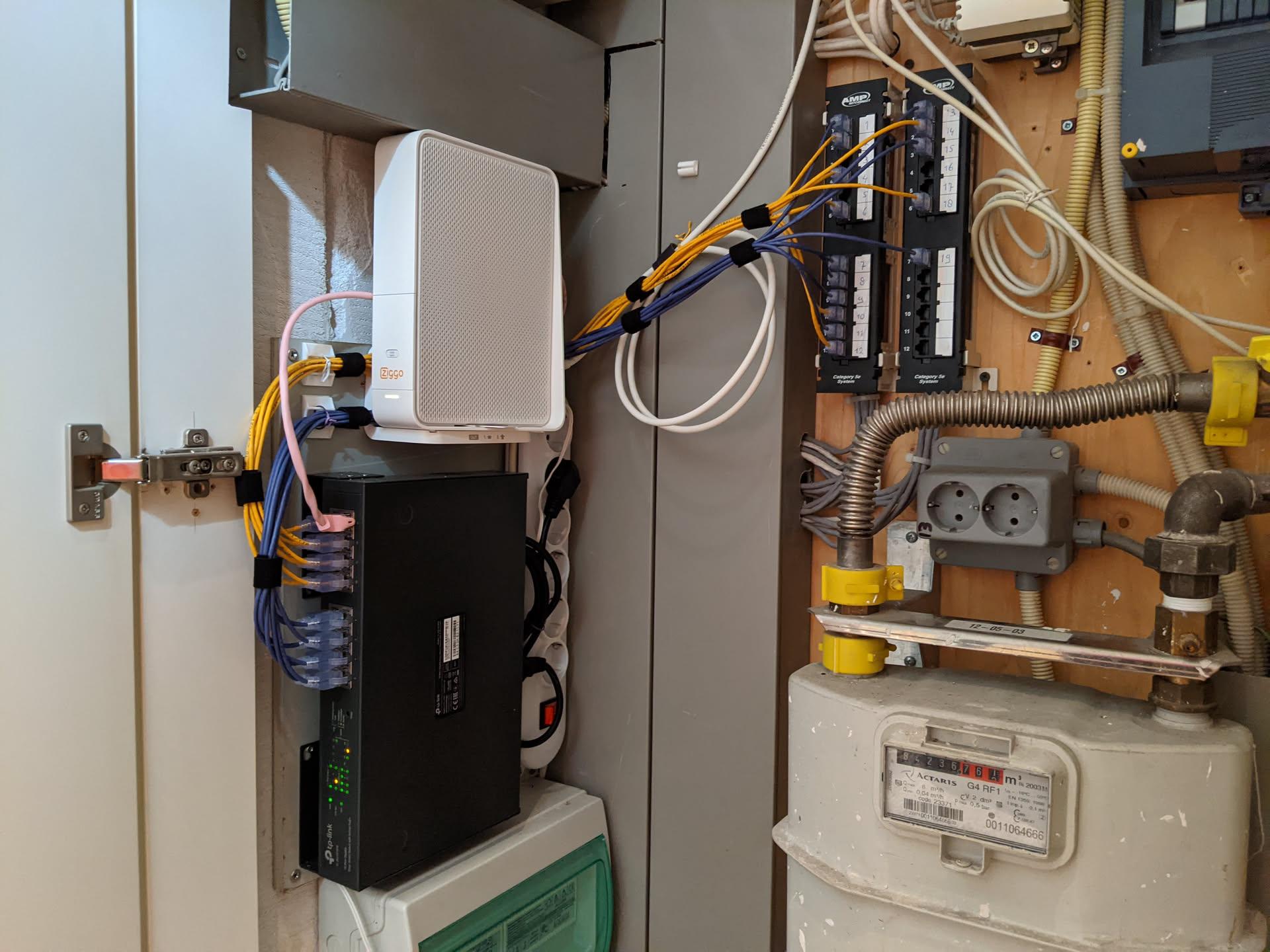
th@v.stHope you're having a better day than the folks at Ziggo who pushed a remote firmware update that bricked eleven thousand customers' cable modems. https://tweakers.net/nieuws/251384/ziggo-vervangt-11000-modems-van-zakelijke-klanten-vanwege-technisch-defect.html
(in case you were wondering why we were offline for much of Monday...)
 3
3
0
repeated
3
3
0
repeated

badkeys
badkeys@infosec.exchangeI've recently scanned DKIM keys for vulnerabilities, more extensively than previous scans. DKIM keys with the Debian OpenSSL bug are still very common. So are too-short RSA keys (quite a few 512 and even 384 bit keys, and *many* 768 bit, which is still difficult to break, but possible).
Also, a notable number publish a private key in their DKIM record. (This is only a problem if they actually use the same key elsewhere correctly.)
I tried disclosing things, but manual disclosure impractical for thousands of affected hosts and automated disclosure is difficult (plenty without security.txt, security@ often is rejected).
Replies to disclosures also show a common misunderstanding: People believe they are unaffected saying these keys are old and unused. This shows a fundamental confusion about how digital signatures work. Attackers don't care if you use insecure keys as long as they can use them.
Some stats for the latest scan: https://monitor.badkeys.info/dkim/2026-08-11-dkim-badkeys.html
0
2
0
repeated

Kevin Beaumont
GossiTheDog@cyberplace.socialBoth Xcancel and Nitter have had cease and desist letter from Twitter. You can still follow Twitter account on Mastodon via account@bird.makeup and the like. Eg @c_c_krebs

 2
15
0
repeated
2
15
0
repeated
