
Posts
4400Following
737Followers
1650
buherator
buherator
@campuscodi
 3
3
 0
0
 4
repeated
4
repeated

Kallisti
kallisti@infosec.exchange(Re-)New Nightmare Eclipse stuff!
https://git.projectnightcrawler.dev/NightmareEclipse/ShieldBreak
Essentially RoguePlanet 2, it seems like.
1
2
0
buherator
buherator
3
0
6
repeated

 repeated

Mark Wyner Won’t Comply 
markwyner@mas.to
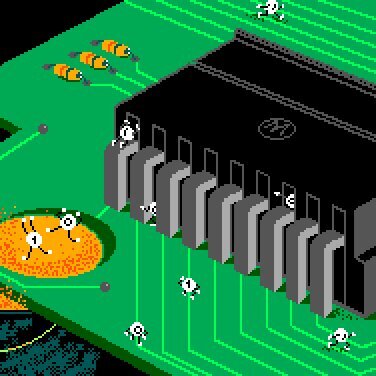
Discovered while doing ethnographic research for a public library district. I was touring one of their branches when this caught my attention.
It’s genius. Smartest solution I’ve seen for this common problem.
Librarians could save the world if we’d let them. 😉
#DIY #Libraries #Library #Ethnography
 3
6
0
repeated
3
6
0
repeated


buherator
buheratorI'm primariy looking for a best-practices kind of thing to recognize potential problems early and avoid reinventing wheels.
#Bookstodon #FediBooks
1
3
0
buherator
buheratorhttps://www.rapid7.com/blog/post/ra-microsoft-sharepoint-jwt-token-authentication-bypass-cve-2026-55040/
0
0
2
repeated

Alex Plaskett
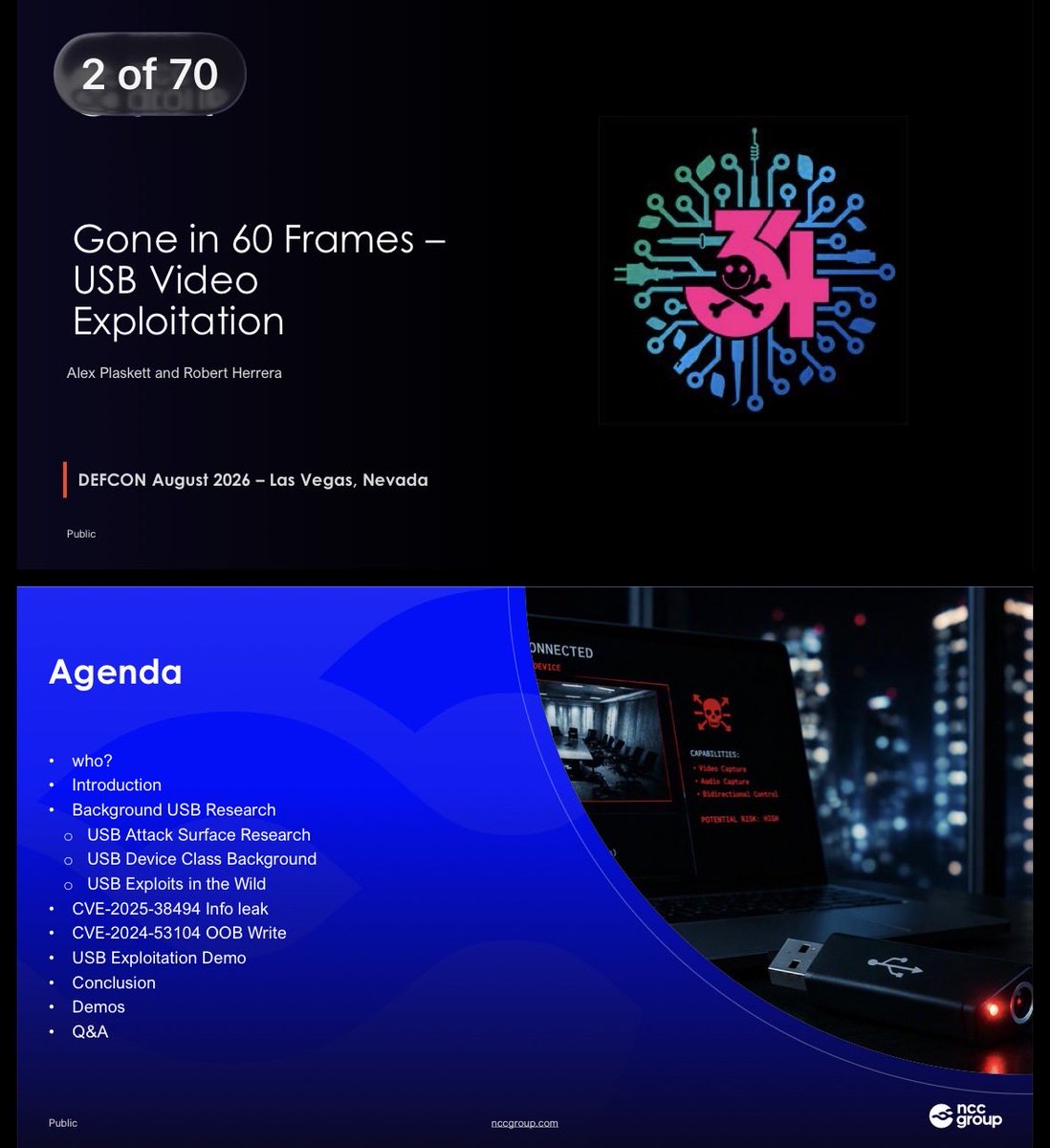
alexjplaskett@bird.makeupSlides and whitepaper of Gone in 60 Frames – USB Video Exploitation by @robherrera_ and myself seem to be on the #defcon34 media server now!
 1
2
0
repeated
1
2
0
repeated

Karsten Hahn
struppigel@infosec.exchangeNew video: Compiled V8 JavaScript for reversers 🎥
➡️ V8 compilation pipeline
➡️ bytecode caching
➡️ how bytenode abuses caching for protection
https://www.youtube.com/watch?v=YSSCMSMcpeM
#MalwareAnalysisForHedgehogs #JavaScript #V8
0
3
0
repeated

Karel Titeca
fregonar@mas.toRichard Scarry already summarized everything there is to know about cyber security, about 50 years ago.
 2
28
1
repeated
2
28
1
repeated

Viss
Viss@mastodon.socialRE: https://fosstodon.org/@frehi/117077677106911268
paging all nerds who run their own mailserveres
1
4
0
repeated

Ivan Ožić Bebek
obivan@infosec.exchangeRogue vSphere server that captures credentials from Veeam Backup & Replication https://github.com/mattmillen15/VeeamThief
1
2
0
repeated

 repeated
Ivan Ožić Bebek
obivan@infosec.exchangeCVE-2025-7771 — ThrottleStop.sys Arbitrary Physical Memory R/W https://github.com/enessakircolak/CVE-2025-7771
0
2
0
repeated

/r/netsec
_r_netsec@infosec.exchangeETW for Security Research: Providers, Sessions, and Detection Engineering https://idov31.github.io/posts/inside-etw-with-etwsuite
0
2
0
repeated

Wladimir Palant
WPalant@infosec.exchangeWhat the…??? I mean, leaking a signing key to a private GitHub repository is clearly better than leaking it to a public one. But still, I remember a blog post from something like two decades ago about how Mozilla was using hardware tokens for signing, so that the signing keys could not possibly leak. That probably pre-dated their Linux package repositories, so either the concept wasn’t used consistently after that or at some point performance became more important than protecting key material (Mozilla’s infrastructure is producing lots of builds).
1
2
0
buherator
buheratorhttps://cravaterouge.com/articles/resetnightmare/
0
1
1