
Posts
4085Following
732Followers
1618
 repeated

David Chisnall (*Now with 50% more sarcasm!*)
david_chisnall@infosec.exchange
I employ a two-pronged defence against phishing:
First, I am so behind on reading my email that, by the time a phishing message actually gets read, the original scammers have probably had their site taken down, or maybe died of old age.
Second, I don’t know any of my passwords and, if your domain doesn’t match, my password manager won’t fill them, and I’m much too lazy to fill them manually, so will probably just close the window. If it looks important, I’ll flag the email and come back to it eventually. Maybe.
 2
6
2
6
 0
0
buherator
buheratorhttps://deadeclipse666.blogspot.com/2026/06/regarding-july-14th.html
"I will be unable to mass disclose zerodays in July 14th"
0
0
0
repeated

Brandon Falk
gamozolabs@bird.makeup
I'm really curious what the CVE graphs will look like once companies have to start paying to secure their own software. I find it hard to believe that companies with 10-20 people looking for 0day will spend $1M+/mo on Claude once they stop getting low hanging fruit?
0
1
0
repeated
Brandon Falk
gamozolabs@bird.makeupLike I kinda thought Mythos was gonna include a suite of tools to help find security bugs, and the model would be to sell that tooling + mythos to companies? But instead it's just another chat bot lmao. People are going to get wildly different results based on their tooling
1
1
0
buherator
buheratorhttps://github.com/v-p-b/avpwn
1
1
0
repeated

Jenniferplusplus
jenniferplusplus@hachyderm.ioSo here's the other thing that bothers me about all this. Regardless of the eventual results, this thing they're doing is *incredibly* resource intensive. They routinely spend billions of dollars on training these models, and billions more on operating them. It's not simple to parse out what fraction of that is directly attributable to the massive scale vuln finder/fabricator. But for the sake of argument lets just pick a plausible number, and call it 50-100 million dollars.
What could we have gotten for 50-100 million dollars of sponsorship for security audits? Prior to this, the largest single investment into FOSS security I'm aware of was the 2015 audit of openssl, after the heartbleed incident. It's hard to find precise costs for that, but I found a few sources estimating 1.2 million dollars, and that is arguably the most security critical piece of software in the world.
But suddenly there's 100x more resources available to do this work, now that producing the artifact can be done with stolen labor? Now that they can externalize the cost of false positives onto the already mostly unpaid maintainers of these projects? Even if their claims are true, which we have no reason to believe and very good reason not to, it's still a travesty
1
8
0
repeated

algernon the exhausted, first of his name
algernon@come-from.mad-scientist.clubGerman ruling declares Google liable for false answers in AI Overviews
"AI" news are rarely good news, this one is. I hope this becomes an EU-wide thing eventually.
World-wide would be nicer, but I have no hope for the current US admin.
0
1
0
repeated

Will Dormann
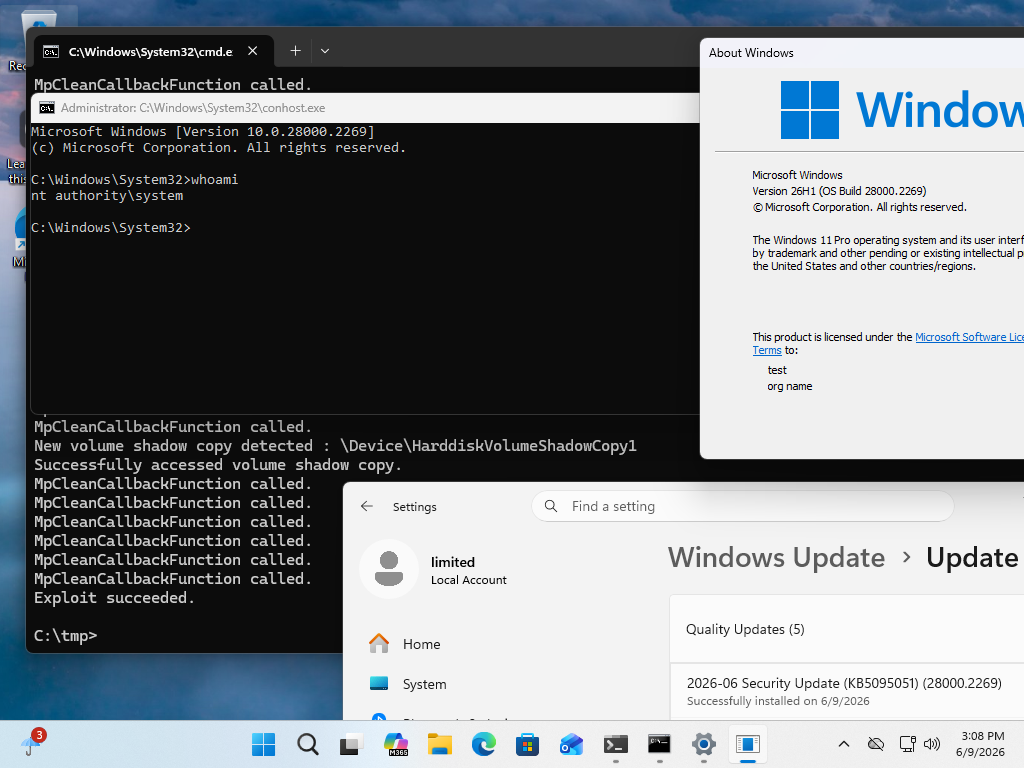
wdormann@infosec.exchangeNightmare Eclipse has released a new exploit: RoguePlanet
It's reportedly not 100% reliable, but it worked on the first attempt for me.
 1
4
0
repeated
1
4
0
repeated

Tim (Wadhwa-)Brown 
timb_machine@infosec.exchange
https://starlabs.sg/blog/2026/06-old-wine-in-a-new-bottle-a-decade-old-lxd-group-root-re-armed/ reminds me of the time I pointed out that /usr/local/* was writable by the staff group on Debian. Privesc by design.
0
3
0
buherator
buheratorhttps://labs.infoguard.ch/posts/ghost-sender/
0
0
1
buherator
buheratorhttp://blog.quarkslab.com/extending-llvms-bolt-based-binary-analyser-to-validate-stack-variable-initialisation.html
0
1
0
buherator
buheratorhttps://github.com/MSNightmare/RoguePlanet
Blog post:
https://deadeclipse666.blogspot.com/2026/06/rogueplanet-quick-history.html
#WindowsDefender
0
0
0
buherator
buheratorhttps://deadeclipse666.blogspot.com/2026/06/rogueplanet-quick-history.html
0
2
2
repeated

TrendAI Zero Day Initiative
thezdi@infosec.exchangeWow. Over 200 CVEs from #Microsoft and another 123 from #Adobe. It's a record-setting Patch Tuesday, but fear not! @TheDustinChilds has broken the release down and provides the details. Check out the blog athttps://www.zerodayinitiative.com/blog/2026/6/9/the-june-2026-security-update-review
1
2
0
repeated

Marcin Wichary
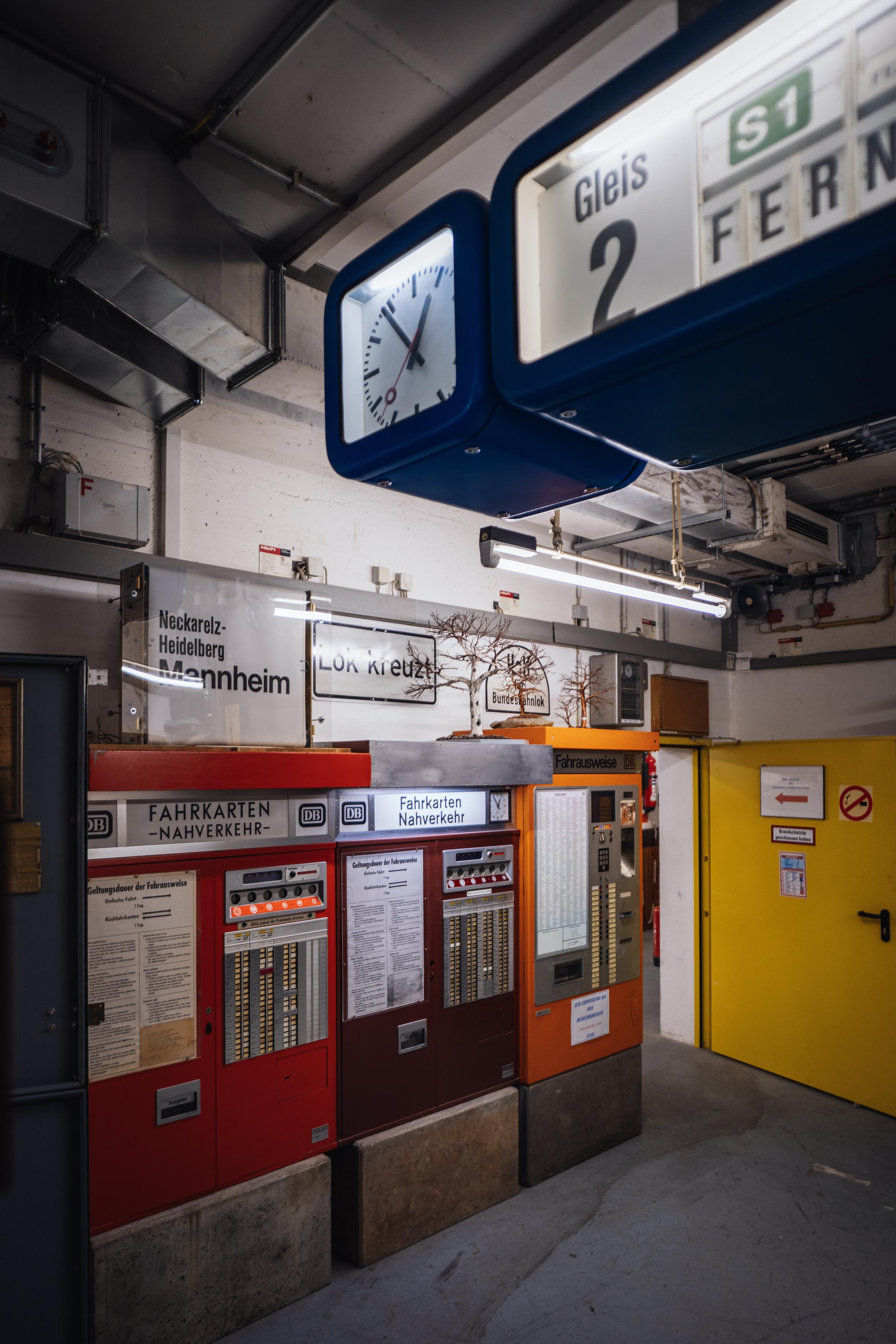
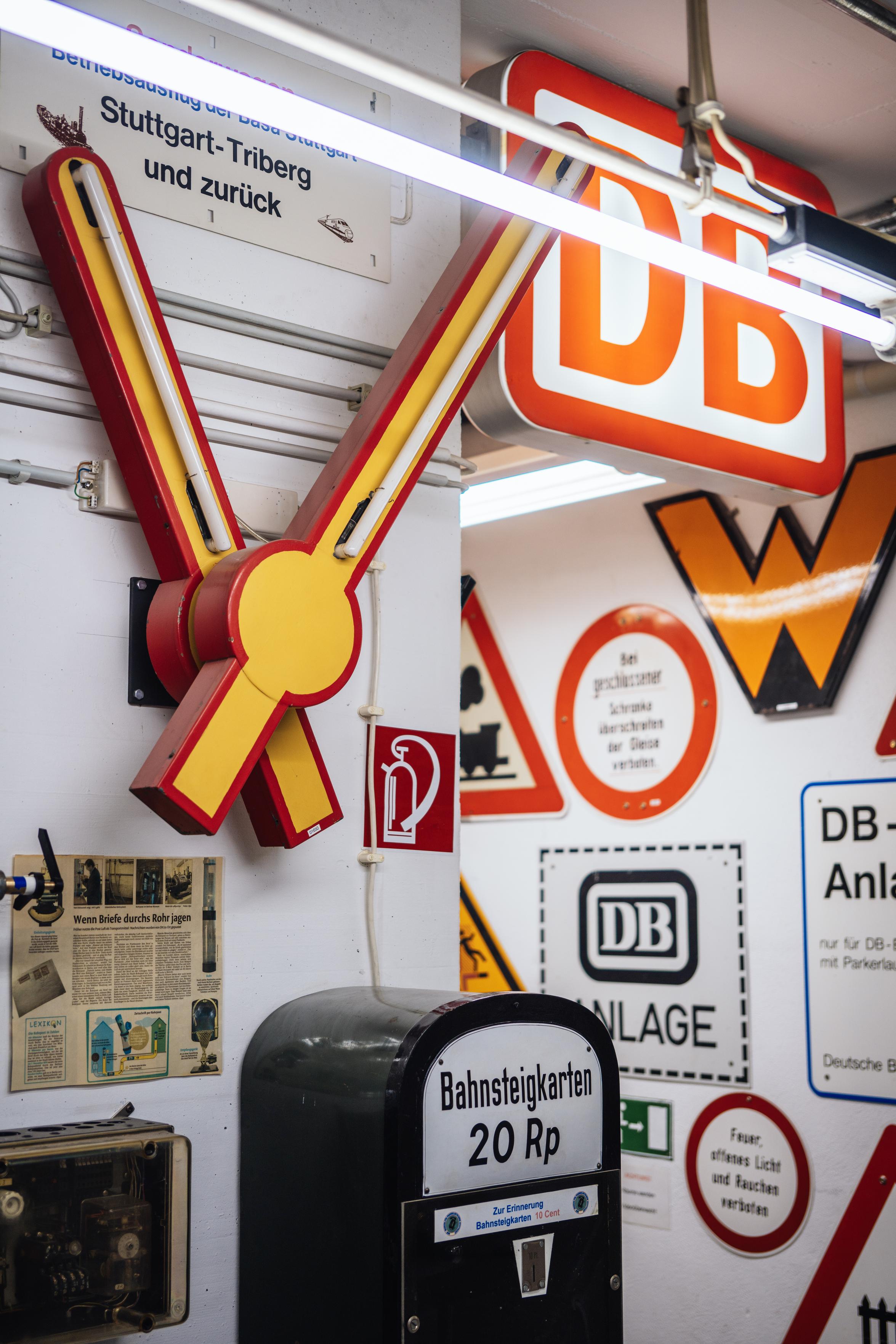
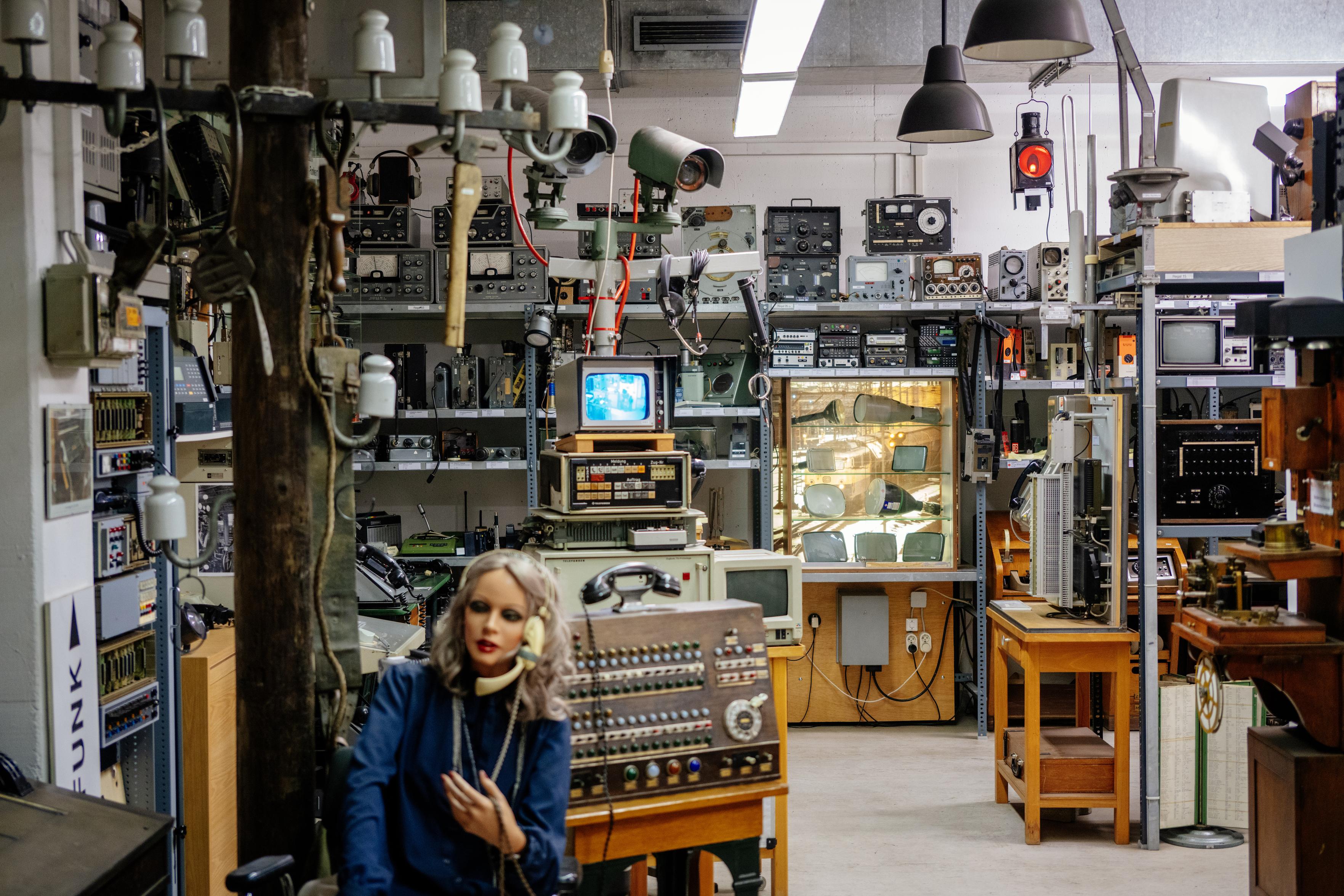
mwichary@mastodon.onlineThe “secret” phone museum in Stuttgart hiding inside an underground station had tons of stuff and working demos and wonderful volunteers.

 4
4
0
repeated
4
4
0
repeated

J. L. Westover
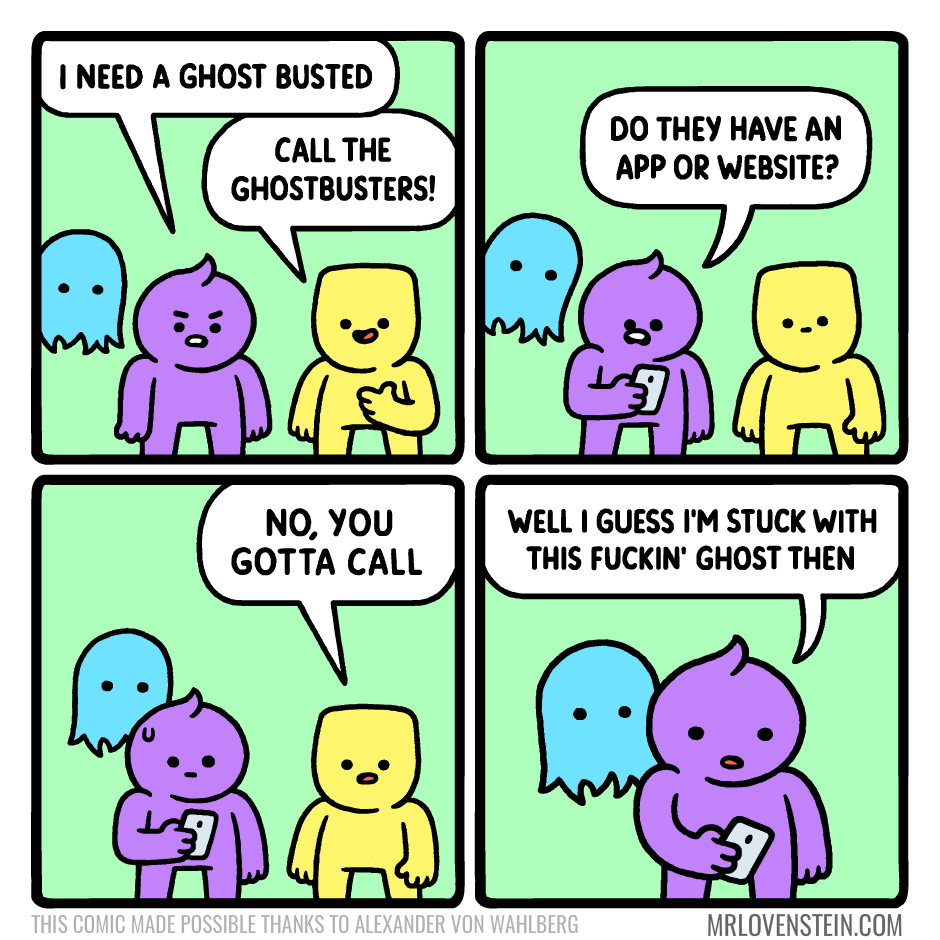
MrLovenstein@mastodon.socialSecret Panel HERE 👻 https://patreon.com/posts/54470189
 3
9
0
repeated
3
9
0
repeated

RE: https://infosec.exchange/@reput_io/116720740952715024
We tell you what's demonstrably legitimate: CDNs, cloud ranges, gov registries, SaaS infra, so analysts can dismiss false positives in seconds instead of investigating them for minutes.
That's an interesting approach. #GAYINT tells you about them ( for free ) so you can block them. Different strokes, I guess.
3
2
0
repeated
 repeated

Sam Stepanyan  🐘
🐘
securestep9@infosec.exchange
#LiteLLM command injection vulnerability CVE-2026-42271 that could allow any authenticated user to run arbitrary commands on the host, has been added to the CISA KEV catalog:
👇
https://thehackernews.com/2026/06/litellm-flaw-cve-2026-42271-exploited.html
0
2
0