Michael | VoltPaperScissors
VoltPaperScissors@chaos.social
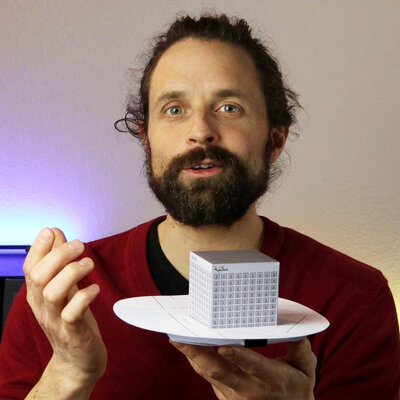
I use button cells (or solar cells) for all my paper circuits. While this makes playing with electronics super safe, it does mean my geared solar motors tend to be a bit slow. So I started to wonder how I could turn the slowness into a feature ... let me introduce my Lazy Chameleons! 😅
It’s finally time to bring this project to life! What else could this robot be? 🤔
#mastoart #diy_electronics #makers #makerspace #creativetoots #stem #steameducation #mint
 2
2
 2
2
 1
1

Michael | VoltPaperScissors
VoltPaperScissors@chaos.social@buherator yeah, great suggestion. I also plan sloths (of course) but slow loris are the same level of cuteness.
1
0
1

Solar🌄Garden
wavesculptor@climatejustice.social@VoltPaperScissors Without delving into youtubes, I'm guessing the tape is nickel not silver (from my work with bike battery packs) or perhaps aluminium, which could bring the process yet another step nearer fundamentals, by snipping the tracks out of cooking foil (apart from the surface oxide issues) and gluing them down with a glue stick -- or making the circuit on stretched inverted packing tape. Also assuming the prefab-tape glue interrupts the circuit, and connections need to be made with this in mind.
A beautiful way of appreciating #electronics without the horrors of PCB and insulation toxic chemistries.
1
0
0
Michael | VoltPaperScissors
VoltPaperScissors@chaos.social@wavesculptor hmmm I thought the fabric tape is conductive because of silver but could not find any information right now. Could also be nickel.
What I can say for sure is the adhesive indeed is conductive, which is the reason why it is so awesome. Kids intuitivly connect pieces together and non-conducitve adhesive is very frustrating.
Coper tape is great for soldering on it.
I've seen people use kitchen foil but it is more tedious.
0
0
0
buherator
buherator
0
0
1